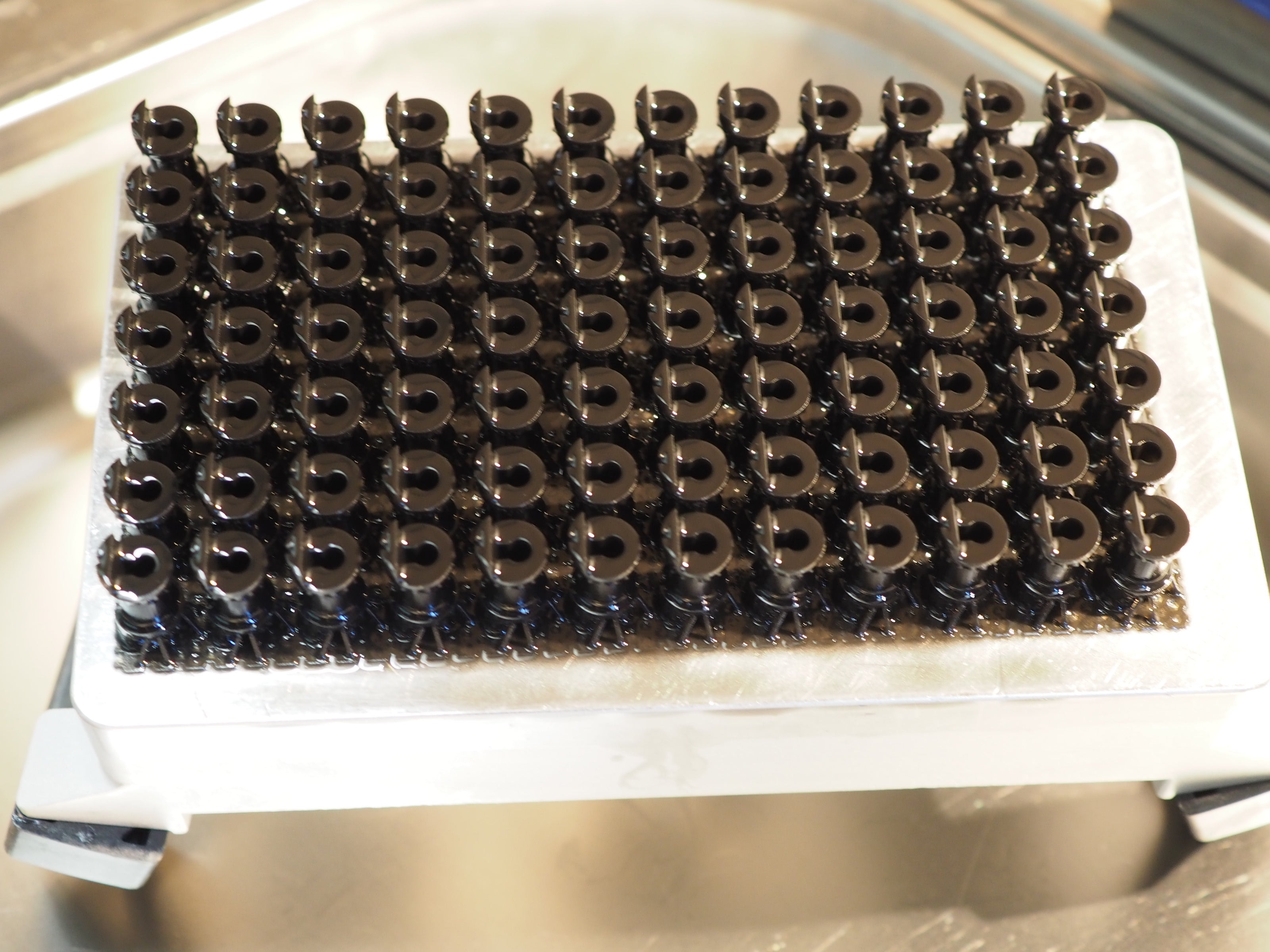
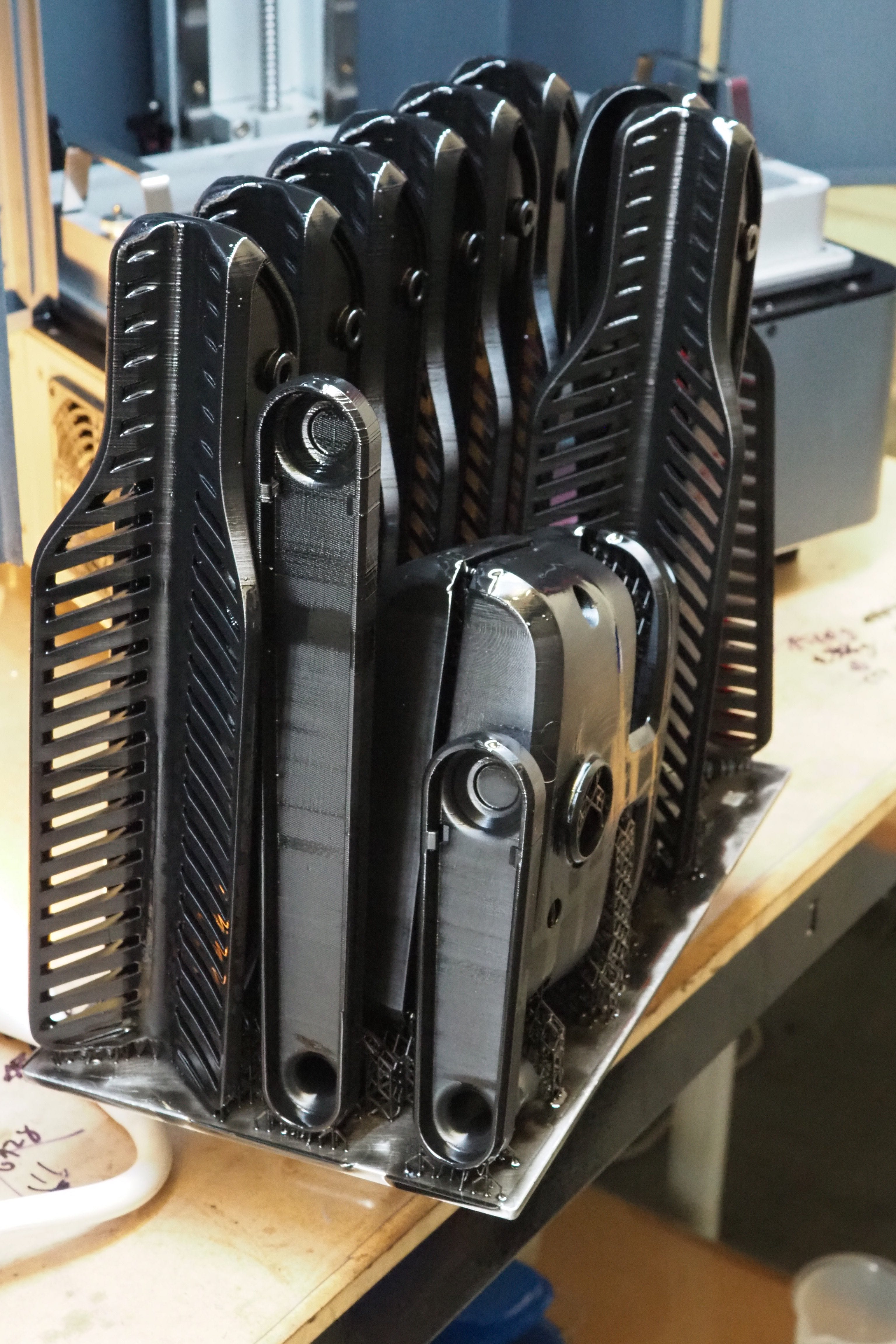
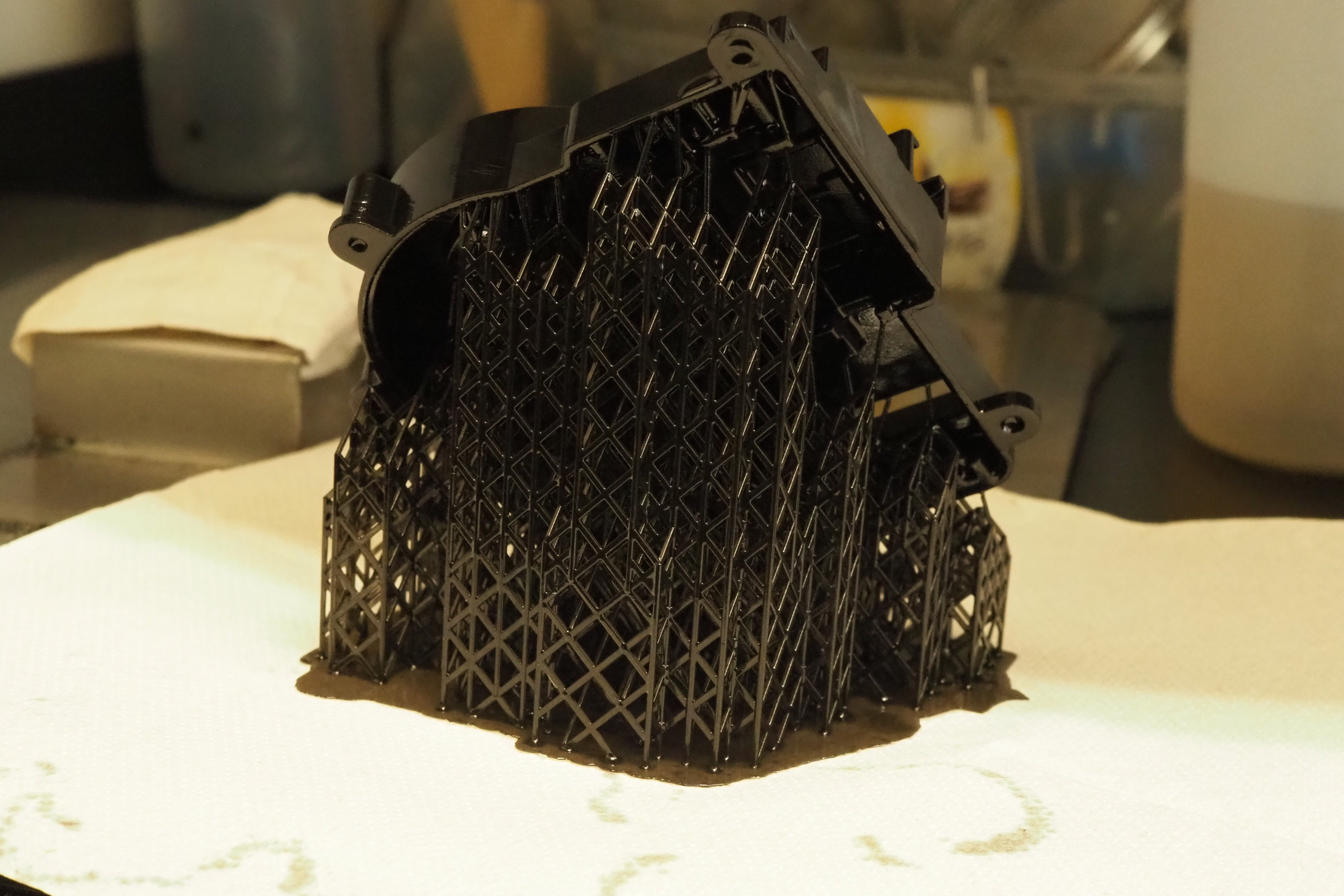
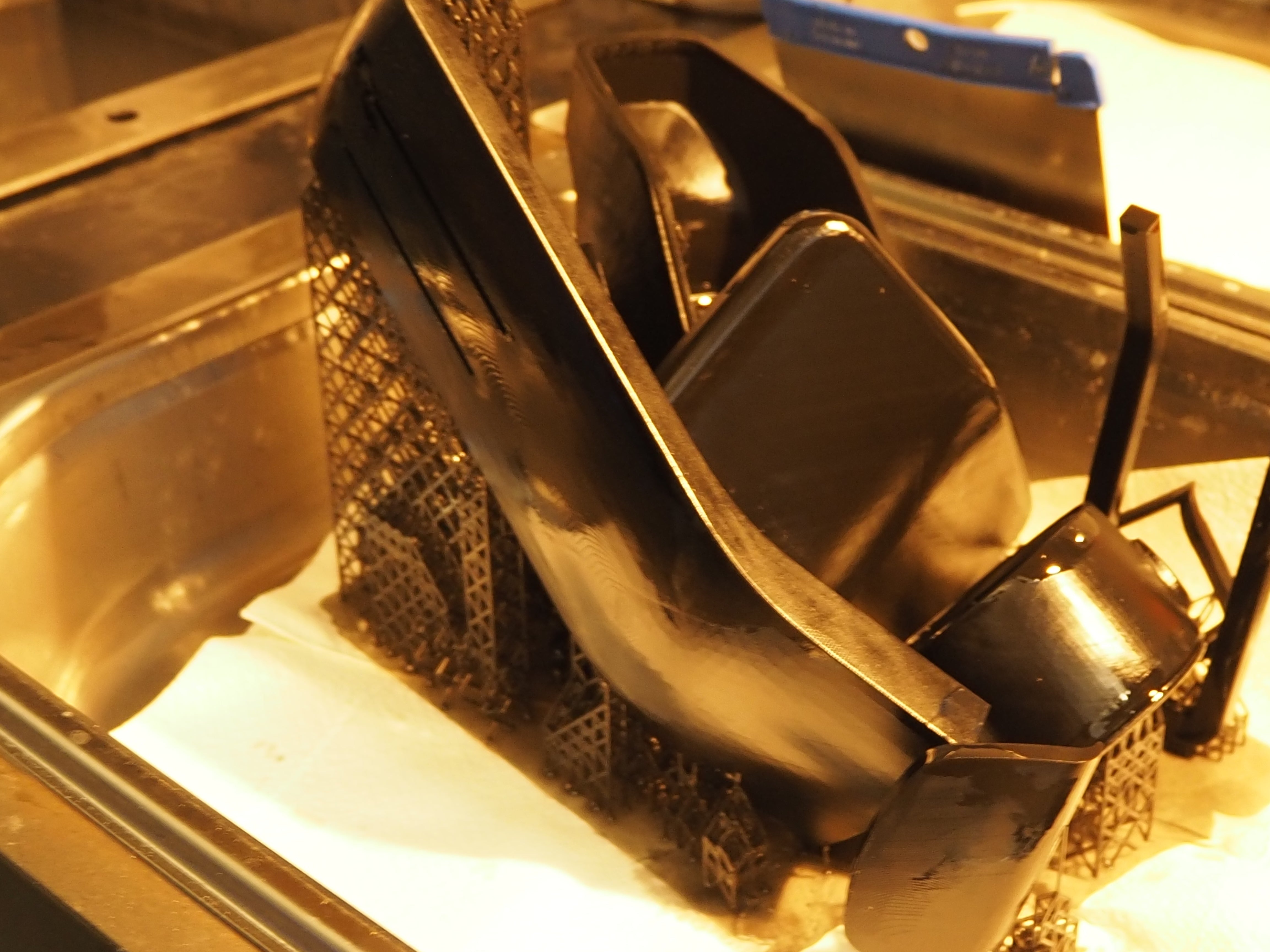
Sacrificial mold-making 3D resins organized for indirect manufacturing, removable tooling and controlled elimination workflows in SLA, DLP and LCD/MSLA printing.
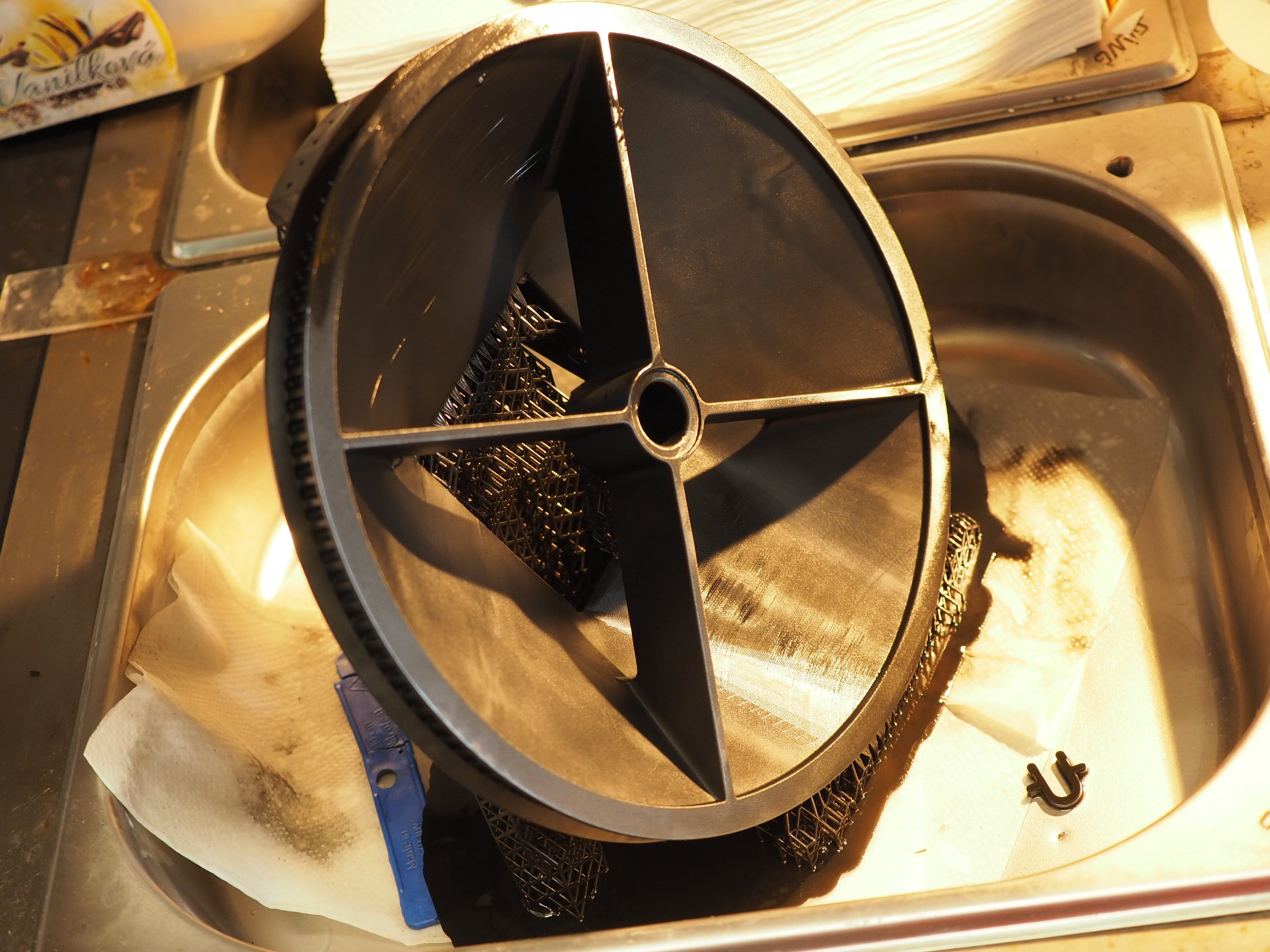
This collection supports selection of sacrificial material routes for molds, mandrels, cores and temporary tooling where post-process removal is a required engineering function of the overall manufacturing workflow.
Navigate by: removal mechanism, process compatibility or tooling strategy.
Select the grade according to workflow priority and validate the final resin choice for the intended printer, removal method and downstream manufacturing process.
Controlled removal as an engineering function
These materials are not selected only by printability, but by how they are removed after the secondary process has been completed.
Depending on the workflow, removal may rely on water solubility, solvent solubility, acetone solubility or controlled mechanical break-away behaviour.
Quick selection by workflow priority
Material navigation
Choose your sacrificial route
Use the routes below to access the most relevant sacrificial material family in this collection.
Typical routes
Key features & benefits
Material profile
Sacrificial resins for indirect manufacturing and removable tooling
These materials are designed for workflows where the printed component acts as a temporary mold, core, mandrel or tooling element and must later be removed in a controlled way.
Main advantages
- Indirect manufacturing platforms for sacrificial molds, mandrels, cores and tooling
- Selection by removal mechanism rather than printability alone
- Water-soluble, solvent-soluble, acetone-soluble and easy-break sacrificial routes
- Support for complex internal channels, undercuts and removable internal tooling
- Adapted to casting, molding, infiltration and related secondary processes
- Designed for controlled elimination after the main process is complete
Typical uses
Typical applications
These resins are relevant for advanced process chains where the printed part is not the final part, but a temporary functional intermediate that must be removed without compromising the produced component.
Application examples
- Sacrificial molds and mandrels
- Indirect manufacturing routes
- Complex internal channels and undercuts
- Casting and molding preparation
- Tooling or pattern workflows requiring controlled removal after processing
Collection overview
Products in this collection
Products in this collection are shown below.
This collection currently includes sacrificial material families organized by removal mechanism, covering soluble and mechanically removable approaches for indirect manufacturing and tooling workflows.
Selection logic
Decision guide
How to choose the right sacrificial system
Select the sacrificial resin first by removal mechanism, then by geometry accessibility, downstream material compatibility and process-chain constraints.
Decision guide
-
Need water-based removal → choose water soluble sacrificial systems
-
Need organic solvent removal → choose solvent soluble sacrificial systems
-
Need acetone-based removal → choose acetone soluble sacrificial systems
-
Need mechanical cracking or peel-away removal → choose easy breakable cocoon systems
Typical geometry logic
-
Complex internal channels and undercuts → soluble systems are usually preferred
-
Simple external sacrificial shells → easy-break systems may be sufficient
-
Mandrels and removable internal tooling → select according to access, solvent compatibility and downstream material resistance
Workflow principle
Indirect manufacturing performance depends on the full process chain
Sacrificial systems should be selected according to the complete manufacturing route, not only by printer compatibility.
Printed geometry, access for removal, chemical compatibility, removal cleanliness, dimensional stability before elimination and risk of damage to the final produced part must all be considered together.
Available sacrificial material families
Route 01
Sacrificial systems designed for controlled removal in water-based workflows.
Best for
- Complex internal geometries
- Channels and undercuts
- Water-compatible downstream workflows
- Gentler removal logic where appropriate
Route 02
Sacrificial systems intended for removal using compatible organic solvents.
Best for
- Solvent-based sacrificial workflows
- Internal cavities with difficult mechanical access
- Tooling requiring controlled dissolution
- Indirect manufacturing with chemistry-compatible removal steps
Route 03
Sacrificial systems specifically positioned for acetone-based removal workflows.
Best for
- Acetone-accessible sacrificial molds
- Rapid dissolution concepts where acetone is acceptable
- Indirect tooling and removable printed supports or inserts
- Specialized workflows requiring solvent-specific elimination
Route 04
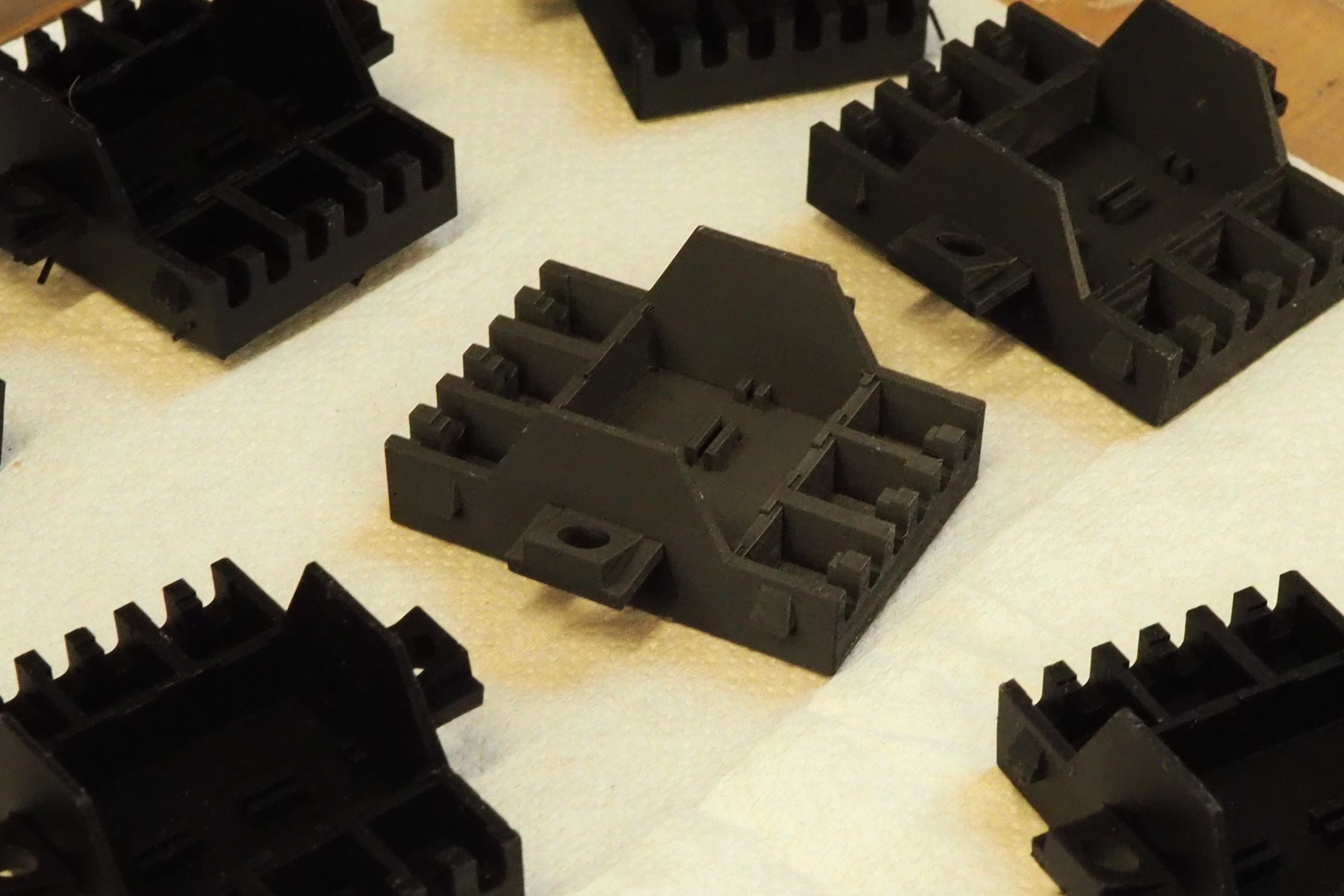
Sacrificial systems designed for controlled mechanical break-away removal after processing.
Best for
- External shells and cocoon strategies
- Simple sacrificial separation by cracking or peeling
- Tooling workflows where solvent removal is unnecessary
- Parts where manual or mechanical access is available
Final suitability depends on the full indirect manufacturing route, including print geometry, removal access, downstream process chemistry, thermal exposure and compatibility between the sacrificial mold and the final produced material.
These products should be understood as sacrificial process materials for indirect manufacturing rather than as end-use printed parts. Final selection depends on the intended removal mechanism, geometry complexity and compatibility with the secondary manufacturing workflow.